The school gates do not move because you have a meeting. Nursery closing times do not bend around a late shift. And when family life already asks so much of you, fitting work into the small gaps can feel exhausting. So, what is flexible working, and could it give you a more realistic way to earn without missing the moments that matter?
Flexible working is about having greater say over when, where or how you work. For some women, that means changing their hours in an employed role. For others, it means building a home-based income around family life, rather than trying to squeeze family life around a job.
It is not about doing less or lowering your ambitions. It is about creating a way of working that reflects the season of life you are actually in.
What is flexible working?
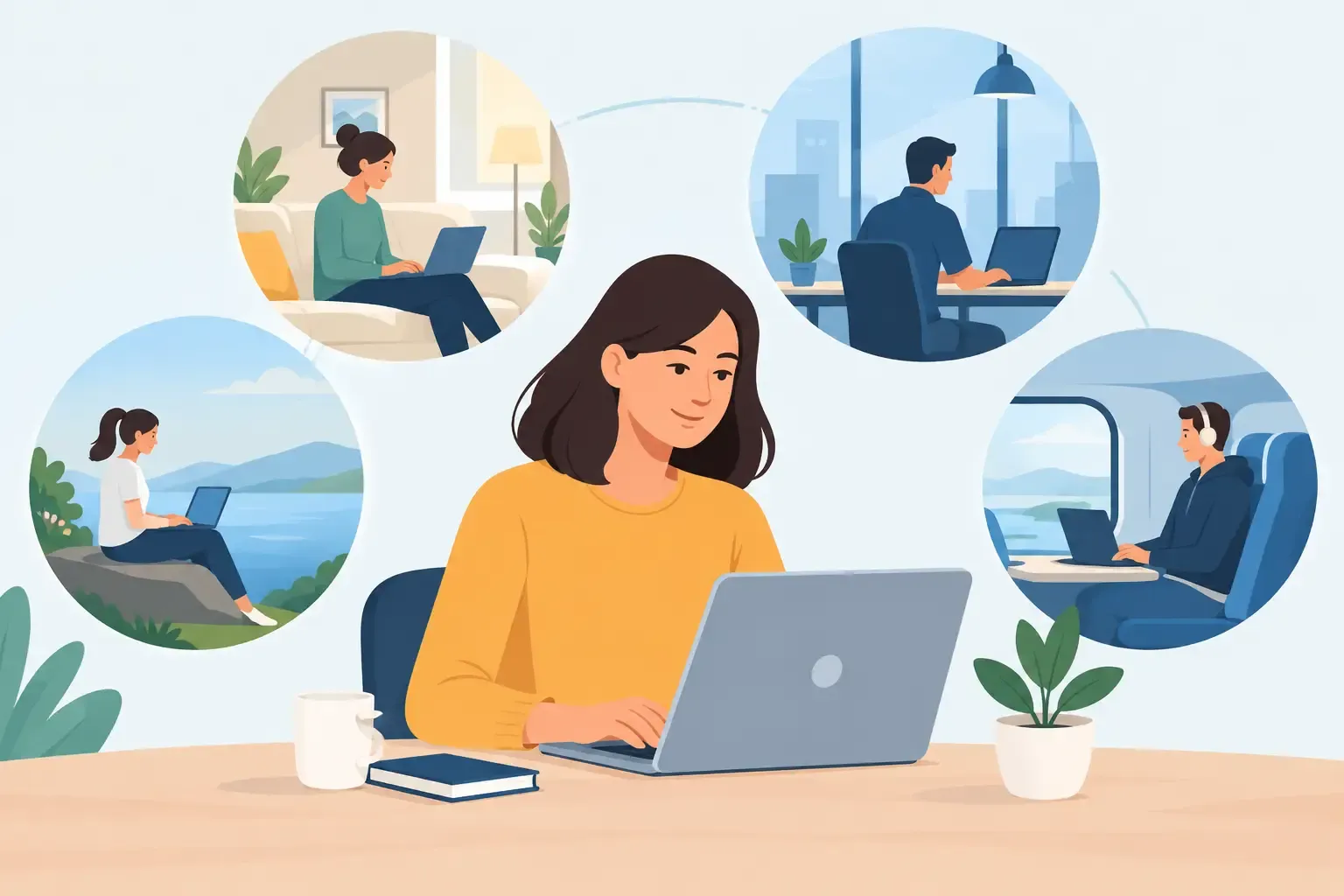
Flexible working is any arrangement that moves away from the traditional nine-to-five, office-based routine. It may involve different hours, working from home, part-time work, job sharing or arranging work around school hours.
The detail matters. A role that allows you to work from home but still expects you online from 9am until 5pm may be more convenient than a commute, but it is not always flexible enough for a parent managing drop-offs, appointments, poorly children and everything else that comes with family life.
For many mums, true flexibility means having more control. You might work while the children are at school, pick up tasks in the evening, or use a quiet hour during naptime. You may choose to start something alongside your current job, then grow it as your confidence and income build.
That freedom does come with responsibility. Flexible working still requires commitment, planning and consistency. The difference is that you are no longer trying to force your life into someone else’s fixed timetable.
Different ways flexible working can look
There is no single version of flexible working, which is why it can be such a helpful route for women with different needs. What works for one family may not suit another.
Flexible hours in employment
This could mean working compressed hours, reducing to part-time, changing your start and finish times, or working a set number of hours across fewer days. In the UK, employees can ask for flexible working from the first day of employment, although an employer can refuse a request for a genuine business reason.
This option can offer welcome stability, particularly if you value a regular wage, holiday pay and the familiarity of your current role. However, it may still leave you working to deadlines, set availability and a timetable that changes very little when family life becomes unpredictable.
Working from home for an employer
Remote or hybrid work can save commuting time and make the day feel easier to manage. Being at home can make the school run possible and give you more time back at either end of the day.
But homeworking is not automatically freedom. If your calendar is full of calls or your workload is tied to office hours, you may still feel you need permission to attend a school assembly or deal with a child who is unwell. It can be a brilliant arrangement, but it depends on the role and the culture of the workplace.
Building a flexible income from home
A home-based business can give you a different kind of flexibility. Rather than asking whether you can adjust your hours, you decide when you can give your attention to the work. That might be an hour in the morning, a few focused pockets of time during the week, or longer sessions once the children are asleep.
For women who want to begin gently, this can be especially appealing. You do not have to make a dramatic leap overnight. You can learn, share, have conversations and build momentum alongside the income you already have, then decide what feels right for your family.
Why flexible working matters to mums
Motherhood can change what you want from work. A career you once enjoyed may begin to feel difficult to sustain when the costs, commuting, childcare logistics and missed family moments are added together. That does not mean you have lost your ambition. Often, it means your ambition has become more personal.
You may want to contribute financially without handing every available hour to work. You may want to be present for sports days and school holidays, not constantly negotiating annual leave. Or you may simply want something that is yours: a source of income, purpose and confidence beyond the many roles you hold at home.
Flexible working can create space for those things. It can also reduce the all-or-nothing feeling that so many women experience. You do not necessarily have to choose between being fully available to your family and having goals of your own.
Financially, even a part-time flexible income can make a real difference. It may help with bills, holidays, savings, childcare costs or the feeling of having a little more breathing room. Over time, for some women, it can grow into a bigger contribution or a replacement for employment. Results are never guaranteed, but having options can feel incredibly powerful.
The difference between flexibility and availability
One of the biggest traps is believing flexible work means being available all the time. It does not.
When your work happens at home, it can easily spill into the kitchen table, the school run and the last hour before bed. Without clear boundaries, you may end up feeling as though you are working constantly while never quite feeling finished.
Real flexibility includes the ability to protect your time. That may mean choosing set work windows, putting your phone away during family time, or being honest about what you can take on in a particular week. Some weeks will be beautifully productive. Others will be shaped by half term, illnesses or life simply being life.
A flexible model should support your family, not create a new version of the pressure you were trying to leave behind.
Is a flexible home-based business right for you?
A flexible business is not a magic answer, and it will not suit everybody. It asks you to take ownership of your time, learn new skills and keep showing up even when nobody is setting your schedule for you.
It can be a strong fit if you are prepared to be consistent, enjoy connecting with people and want to build something gradually. You do not need to have every answer before you begin. You can start by understanding the opportunity, asking honest questions and deciding whether it matches your values and family goals.
The most sustainable approach is usually the one that fits your real capacity. There is no prize for copying someone else’s routine or trying to build at a pace that leaves you overwhelmed. A few focused actions repeated each week can be far more valuable than a burst of effort followed by burnout.
For many women, the confidence comes after the first step, not before it. Learning to speak about something you believe in, helping someone else find information and seeing small progress can remind you that you are capable of more than you may have given yourself credit for.
How to make flexible working work for your life
Start with what you need, not with what looks impressive online. Think about the hours you genuinely have, the income you would like to create and the moments you do not want to miss. Your version of success might be covering the food shop, having funds for Christmas or building towards leaving a job that no longer works for your family.
Be realistic about the practical side too. Talk through childcare, household responsibilities and busy periods with the people around you. Flexibility is easier to maintain when it is supported by simple routines and clear expectations.
Then give yourself permission to begin before everything is perfectly organised. Family life rarely provides a completely quiet, uninterrupted starting point. The right opportunity should be able to grow in the small pockets of time you already have, not demand that you become someone with endless hours and endless energy.
Flexible working is not about chasing a perfect balance every day. It is about creating more choice, more confidence and more room to be there for what matters, while still building something for yourself.